
Rwenzori Mountains
Home
Rwenzori Mountains
- Recent Trips
Rwenzori Mountains
The Rwenzori Mountains, popularly known as the "Mountains of the Moon," are Africa’s most celebrated mountain range. Unlike the volcanic giants of Kilimanjaro and Mount Kenya, the Rwenzoris are a massive block of rock thrust up by tectonic activity, creating a rugged and mystical landscape.
Here is a comprehensive guide to everything you need to know about Mountain Rwenzori.
1. Geography & Topography
-
Location: Stretching 120km along the border of Uganda and the Democratic Republic of Congo (DRC).
-
The Main Peaks: The range consists of six major massifs, all of which are permanently snow-capped and glaciated:
-
Mount Stanley: Home to Margherita Peak (5,109 m), Africa’s third-highest peak.
-
Mount Speke (4,890 m)
-
Mount Baker (4,843 m)
-
Mount Emin (4,798 m)
-
Mount Gessi (4,715 m)
-
Mount Luigi di Savoia (4,627 m)
-
-
Scenic Features: The park is filled with glacial lakes (such as Lake Bujuku and Lake Mahoma), fast-flowing rivers, and massive waterfalls.
2. Wildlife & Flora
The Rwenzoris are famous for their "botanical big game"—prehistoric-looking plants that thrive in the mist-shrouded environment:
-
Unique Vegetation: You’ll pass through six distinct zones, from tropical rainforest and bamboo forests to the Afro-alpine moorland, where Giant Lobelias and Groundsels grow to enormous sizes.
-
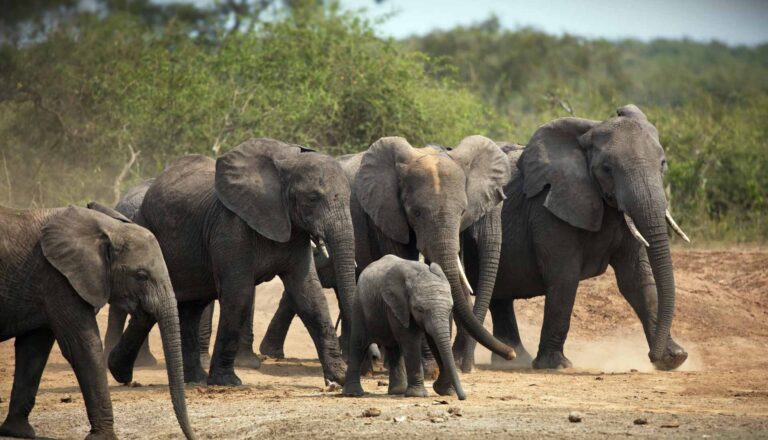
Mammals: Over 70 species, including forest elephants, leopards, and chimpanzees (though they are elusive).
-
Primates: Look out for the Rwenzori Colobus monkey and the Three-horned Chameleon, which is endemic to this region.
-
Birds: A birder's dream with 217 species, including the stunning Rwenzori Turaco.
3. Climbing & Trekking Routes
Trekking the Rwenzoris is often considered more challenging than Kilimanjaro due to the technical nature of the climb and the boggy terrain.
-
The Central Circuit (7–9 Days): The traditional route starting from Nyakalengija. It takes you through the Bujuku Valley and is the standard way to reach Margherita Peak.
-
The Kilembe Trail (7–8 Days): A newer, scenic southern route managed by Rwenzori Trekking Services. It offers better views of the Nyamwamba Valley and its many lakes.
-
Short Treks (1–4 Days): For those not aiming for the summit, shorter hikes to Lake Mahoma or Mutinda Lookout offer incredible views of the peaks and unique flora.
4. Best Time to Visit
The Rwenzoris are notorious for rain (the local name means "Rain Maker").
-
Dry Seasons (Best): June to August and December to February. These months offer the clearest skies and better footing, though some rain is still possible.
-
Wet Seasons: March to May and September to November. Trails become very muddy and "bogs" can reach waist-height, making trekking extremely difficult.
5. Essential Facts
-
UNESCO Status: A World Heritage Site since 1994 due to its exceptional natural beauty and biodiversity.
-
Source of the Nile: Ancient geographers, including Ptolemy, believed the Rwenzoris were the true source of the Nile because of the melting glaciers feeding the river's headwaters.
-
Technical Gear: If you plan to summit Margherita Peak, you will need crampons, ice axes, and rope-climbing experience (or a very good guide).
- Chimpanzee Tracking
- Rhino Tracking
- Batwa Cultural Interactions
- Game Drives
- Boat Cruises
- Bird Watching
- Zip Lining
- Hot Air Balloon Safari
- Maasai Cultural Interactions
- Safari Biking