
Mountain Elgon
Home
Mountain Elgon
- Recent Trips
Mountain Elgon
Mount Elgon National Park offers a distinct experience compared to the gorilla-filled forests of western Uganda, focusing on volcanic landscapes, massive caves, and diverse birdlife.
Geography & Transboundary Status
Mount Elgon is an extinct shield volcano that was once Africa's highest mountain. Today, the park is shared by two countries:
-
Total Area: 1,279 km.
-
Ugandan Side: Covers 1,110 km (established in 1992).
-
Kenyan Side: Covers 169 km (established in 1968).
-
Significance: It serves as a vital water catchment for the Nzoia and Turkwel (Suam) Rivers, which feed into Lake Victoria and Lake Turkana.
Landscape & Attractions
The park is famous for its unique scenery rather than high-density game viewing:
-
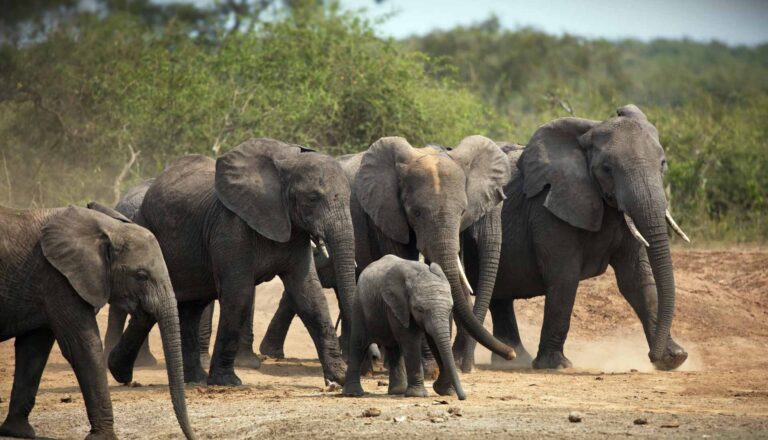
The Caves: The most iconic feature. Large caves like Kitum are visited by elephants and buffaloes at night to lick natural salt from the walls.
-
The Peaks: The highest point on the Kenyan side is Koitoboss (4,155 m).
-
Waterfalls & Gorges: The park features numerous cliffs, hot springs, and the famous Sipi Falls located on the slopes.
-
Endebess Bluff: A viewpoint offering panoramic vistas of gorges and escarpments.
Wildlife & Birdlife
-
Mammals: Elephants, buffaloes, and various small antelopes. Forest primates include Black-and-white colobus and Blue monkeys.
-
Birds: At least 144 species are present. Highlights include Jackson’s spurfowl, Hartlaub’s turaco, and the endangered Lammergeier (Bearded Vulture).
-
Insects: It holds half of Uganda’s butterfly species and is home to the endangered Maathai’s longleg dragonfly.
Key Activities
-
Hiking: Reaching the peaks (like Koitoboss) or exploring the Endebess Bluff.
-
Sipi Falls Walk: A popular three-tier waterfall hike on the edge of the park.
-
Cave Exploration: Guided walks into the massive volcanic tunnels.
-
Bird Watching: Specialized tours for high-altitude species.
Practical Information
-
Best Time to Visit: Dry seasons (June–August and December–March), though it can rain at any time due to the montane climate.
-
How to Get There: Primarily by road via the Jinja–Mbale highway. Charter flights can be arranged to Soroti Airfield, followed by a road transfer.
-
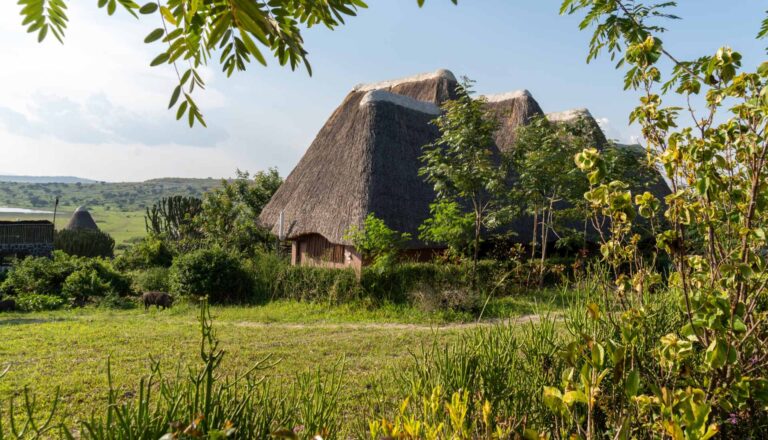
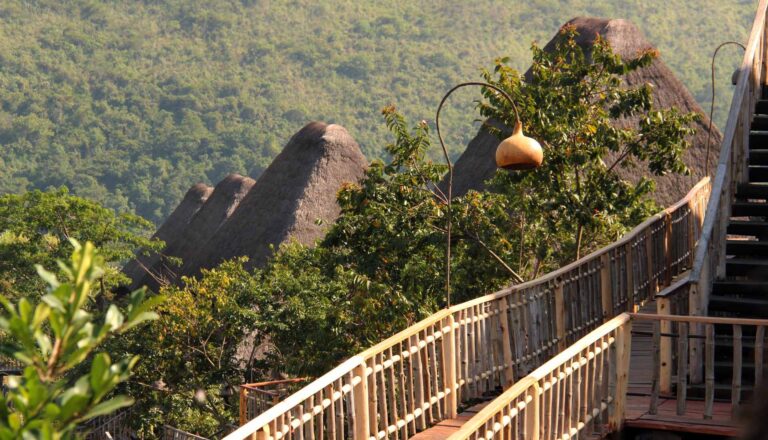
Where to Stay: Options range from UWA-run bandas and campsites (like Kapkwata Guesthouse) to more comfortable lodges like Sipi River Lodge or Mbale Resort Hotel.
- Chimpanzee Tracking
- Rhino Tracking
- Batwa Cultural Interactions
- Game Drives
- Boat Cruises
- Bird Watching
- Zip Lining
- Hot Air Balloon Safari
- Maasai Cultural Interactions
- Safari Biking