
Semuliki National Park
Home
Semuliki National Park
- Recent Trips
Semuliki National Park
Semuliki National Park is described by KBTours and Travel as one of Uganda's most unique destinations, often called the "Gateway to Central Africa." It is the only place in East Africa that contains a true lowland tropical rainforest, serving as the easternmost extension of the vast Ituri Forest from the Democratic Republic of Congo.
Below is all the information regarding the park based on Pamoja’s guides:
1. Key Attractions
-
Sempaya Hot Springs: The park's most famous attraction. There are two main springs:
-
"Female" Spring (Nyasimbi): A boiling geyser that shoots hot water up to 2 meters into the air.
-
"Male" Spring (Bintente): A broader, steaming pool located about 500 meters away.
-
Note: Visitors often bring eggs or plantains to boil in the water as a demonstration of its extreme temperature (over 100°C).
-
-
Semuliki River: Marking the border with the DRC, this meandering river is home to hippos, crocodiles, and various water birds.
-
Albertine Rift Landscape: The park offers stunning views of the Rift Valley floor and the nearby Rwenzori Mountains (Mountains of the Moon).
2. Wildlife & Primates
The park's biodiversity is heavily influenced by the Congo Basin, featuring species rarely seen elsewhere in East Africa:
-
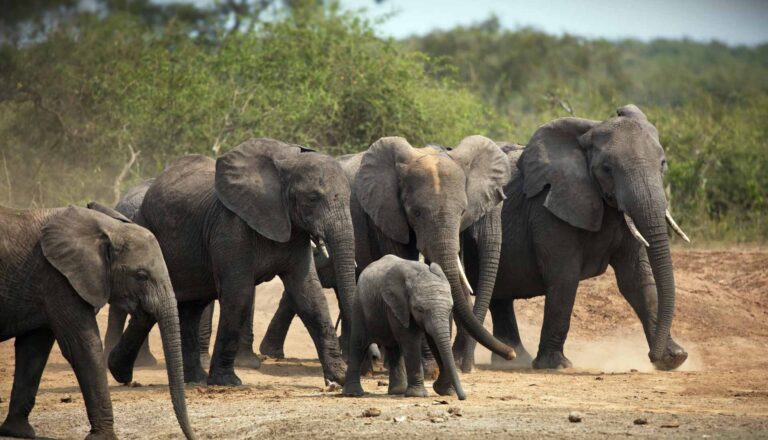
Mammals: Over 60 species, including forest elephants, forest buffaloes (smaller and redder than savannah buffaloes), water chevrotains, and pygmy hippos.
-
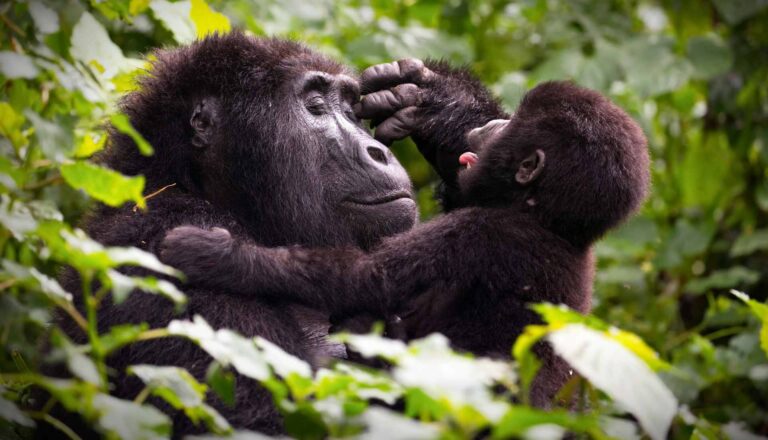
Primates: A haven for 9 primate species, including:
-
Chimpanzees (found in the Semliki Wildlife Reserve nearby).
-
Central African Red Colobus and Black-and-white Colobus monkeys.
-
De Brazza’s monkeys, Red-tailed monkeys, and Olive baboons.
-
Nocturnal primates like Pottos and Galagos (Bushbabies).
-
3. Birding Paradise
Semuliki is one of Africa’s premier birding destinations, with 441 recorded species (roughly 40% of Uganda's total).
-
Congo-Guinea Biome Species: It is the best place in Uganda to spot birds typical of Central Africa, such as the Piping Hornbill, Congo Serpent Eagle, Nkulengu Rail, and Yellow-throated Cuckoo.
-
Key Trail: The Kirumia Trail is the most popular route for serious birdwatchers.
4. Major Activities
-
Hike to Sempaya Hot Springs: A relatively easy walk through the forest that offers sightings of primates and birds before reaching the geysers.
-
Nature Walks & Hiking:
-
Kirumia Trail (13km): Takes you deep into the forest toward the Semuliki River.
-
Red Monkey Trail (11km): Follows the eastern margin of the park, ideal for spotting rare monkeys.
-
-
Cultural Encounters: Experience the traditions of the Batwa (Pygmies), who were the original inhabitants of the Ituri Forest and still preserve their hunter-gatherer heritage.
-
Boat Cruises: Available on the Semuliki River or nearby Lake Albert.
5. Practical Information
-
How to Get There: * Route 1: Kampala to Fort Portal via Mubende (approx. 4–5 hours).
-
Route 2: Kampala to Fort Portal via Masaka/Mbarara (longer but scenic).
-
The park is about 52km (2–3 hours) from Fort Portal on a winding road with spectacular views.
-
-
Best Time to Visit: The dry seasons (December–February and June–August) are best for hiking and birding, as the forest can become very muddy and sections may flood during the rains.
-
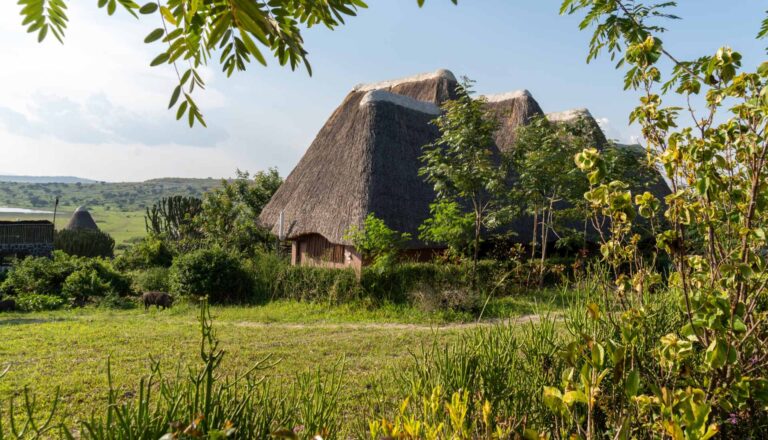
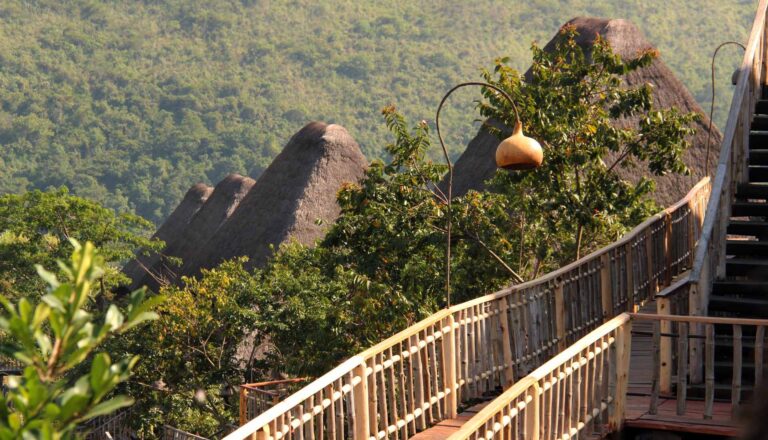
Nearby Accommodation: Options range from luxury lodges in Fort Portal to mid-range camps in the nearby Semliki Wildlife Reserve (such as Semliki Safari Lodge or Ntoroko Game Lodge).
-
Chimpanzee trekking in Kibale or a visit to the Rwenzori Mountains?
- Chimpanzee Tracking
- Rhino Tracking
- Batwa Cultural Interactions
- Game Drives
- Boat Cruises
- Bird Watching
- Zip Lining
- Hot Air Balloon Safari
- Maasai Cultural Interactions
- Safari Biking