
Kidepo National Park
Home
Kidepo National Park
- Recent Trips
Kidepo National Park
Kidepo Valley National Park is arguably Uganda’s most isolated and spectacular wilderness.
1. Park Overview
-
Location: Far northeastern corner of Uganda, tucked between the borders of South Sudan and Kenya in the Karamoja region. It is about 700km from Kampala.
-
Size: Approximately 1,442 square kilometers.
-
Status: Established as a game reserve in 1958 and upgraded to a National Park in 1962.
-
Geography: Defined by rugged semi-arid valleys (Narus and Kidepo), surrounded by the Morungole Mountains.
2. Wildlife & Birdlife
Kidepo is unique because it hosts species that cannot be found anywhere else in Uganda:
-
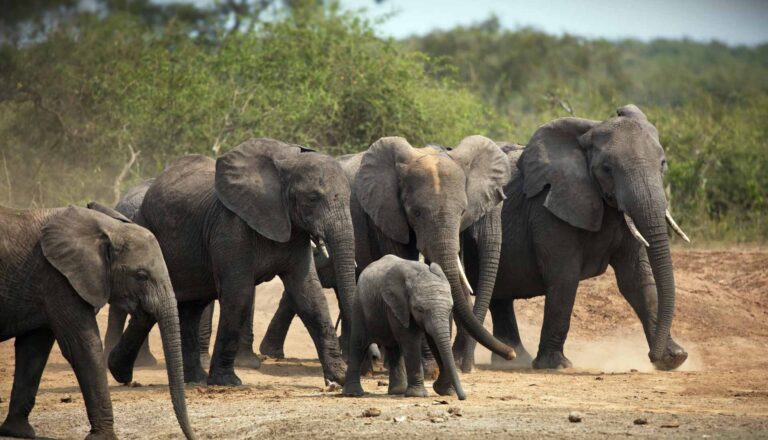
Exclusive Mammals: It is the only place in Uganda to see the Cheetah, Caracal, and Maned Elephant. Other rare residents include the Bat-eared fox, Striped Hyena, and Greater and Lesser Kudu.
-
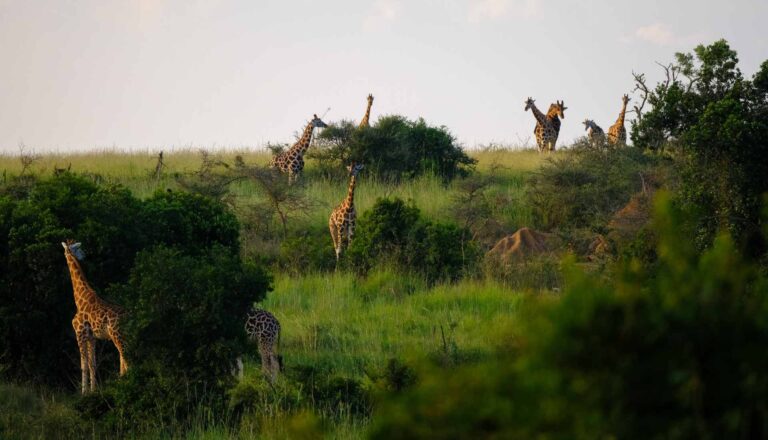
The Big Game: Large herds of Cape Buffalo (sometimes over 1,000 individuals), lions (often found resting on rocky outcrops or "kopjes"), leopards, elephants, Rothschild giraffes, Burchell’s zebras, and various antelopes (eland, oribi, Jackson’s hartebeest).
-
The Fastest Bird: Kidepo is the only park in Uganda where Wild Ostriches roam freely.
-
Ornithology: Over 475 bird species have been recorded, including the Kori Bustard, Abyssinian Ground Hornbill, Secretary Bird, and numerous birds of prey.
3. Key Attractions & Valleys
-
Narus Valley: The park's "lifeblood." Since it contains permanent water sources, it has the highest concentration of wildlife. Most game drives occur here.
-
Kidepo Valley: Known for its dry, sandy riverbeds and Borassus palm forests.12 While there is less wildlife here than in Narus, the scenery is breathtaking.
-
Kanangorok Hot Springs: Located 11km from the Kidepo River near the South Sudan border, offering great views of the mountains.
-
Mount Morungole: The home of the indigenous Ik people and a popular spot for hiking.
4. Major Activities
-
Game Drives: Typically conducted in 4x4 vehicles in the early morning or late afternoon for the best predator sightings.
-
Nature Walks: Guided walks led by rangers to get closer to the flora and smaller fauna.
-
Cultural Encounters: * The Karamojong: Visit traditional "Manyattas" (homesteads) to learn about their pastoralist culture and witness vibrant traditional dances.
-
The Ik Tribe: A challenging but rewarding hike to meet one of Africa's smallest and most secluded ethnic groups.
-
-
Bird Watching: Specialized tours for birding enthusiasts.
5. Travel Logistics
-
Best Time to Visit: The Dry Season (September to March) is ideal for game viewing as animals congregate near water. The Wet Season (April to August) is greener and great for birding, though some roads can be challenging.
-
How to Get There:
-
By Air: The fastest way (approx. 2 hours) is a scheduled or charter flight from Entebbe or Kajjansi to Apoka/Lomej Airstrip.
-
By Road: A 10–12 hour drive from Kampala. Common routes include the Gulu-Kitgum-Karenga road or the eastern route through Sipi Falls and Karamoja.
-
-
Where to Stay:
-
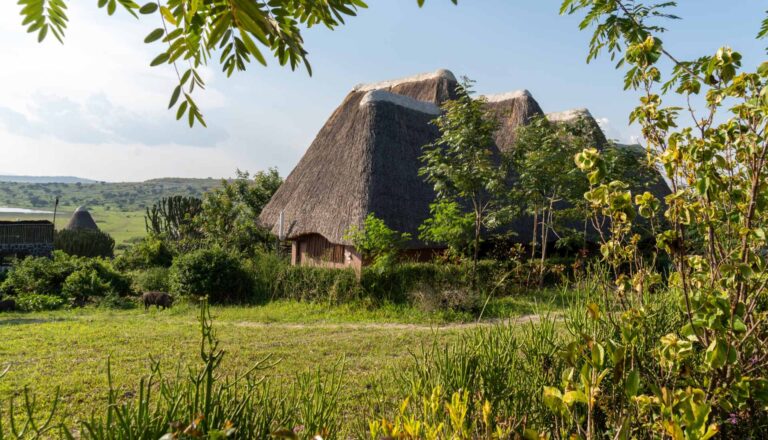
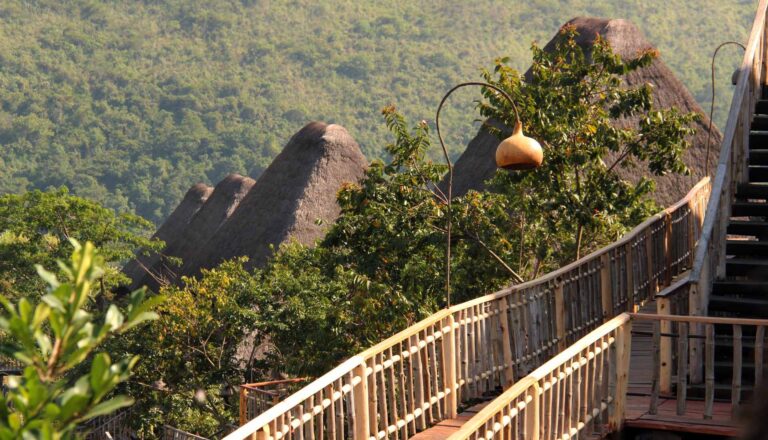
Luxury: Apoka Safari Lodge, Adere Safari Lodge.
-
Mid-range: Kidepo Savannah Lodge.
-
Budget: Zebra Safari Lodge or the UWA (Uganda Wildlife Authority) Bandas.
-
6. Packing List Essentials
Kbtours suggests carrying:
-
Binoculars and a high-resolution camera.
-
Sunscreen, sunglasses, and insect repellent.
-
Light, neutral-colored clothing (long-sleeved for evening/morning).
-
Plenty of drinking water and snacks (the region is hot and semi-arid).
- Chimpanzee Tracking
- Rhino Tracking
- Batwa Cultural Interactions
- Game Drives
- Boat Cruises
- Bird Watching
- Zip Lining
- Hot Air Balloon Safari
- Maasai Cultural Interactions
- Safari Biking