
Kibale National Park
Home
Kibale National Park
- Recent Trips
Kibale National Park
Kibale National Park: The Primate Capital of the World
Introduction to the Park
Located in Western Uganda, Kibale National Park is internationally recognized as the "Primate Capital of the World." It is one of Africa’s most important ecological zones, featuring a rare combination of lowland and montane forests. The park is home to the highest density and diversity of primates on the continent.
Core Statistics and Geography
-
Established: Gazetted in 1932; formally established as a national park in 1993.
-
Area: Approximately 795 square kilometers.
-
Elevation: Ranges from 1,110 to 1,590 meters above sea level.
-
Flora: Contains 229 different tree species within its moist tropical and evergreen rainforests.
-
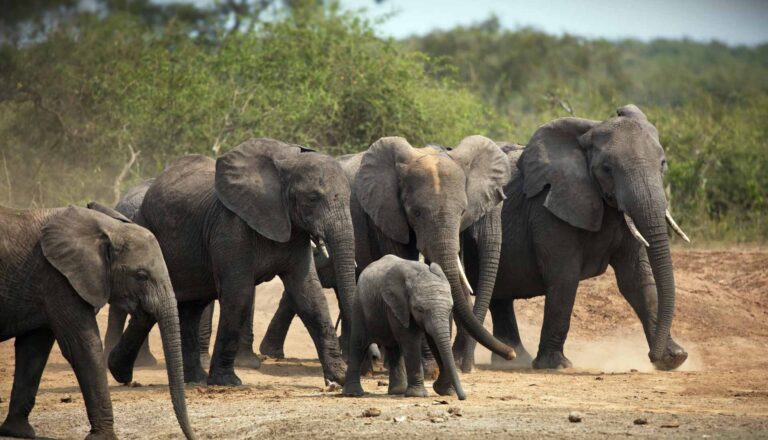
Wildlife Corridor: A vital corridor connects Kibale to Queen Elizabeth National Park, allowing large herds of African elephants to move freely between the two protected areas.
The Wildlife of Kibale
A Primate Paradise
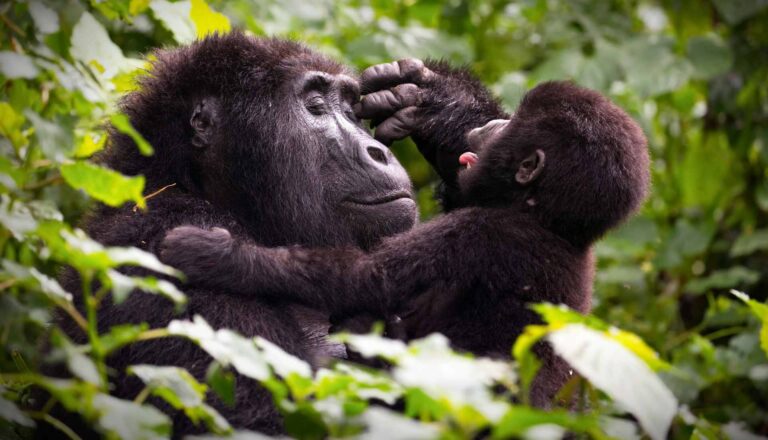
Kibale is home to 13 primate species, the most famous being our closest living relative, the Chimpanzee. The park hosts roughly 1,450 wild chimpanzees. Other primates include:
-
Uganda Mangabey
-
Ugandan Red Colobus
-
L’hoest’s Monkey
-
Black and White Colobus
-
Blue Monkey
Mammals and Predators
Beyond primates, the forest shelters a variety of mammals, including red and blue duikers, bushbucks, sitatungas, giant forest hogs, and African buffalo. While often elusive, carnivores such as leopards, African golden cats, servals, and mongooses reside here. Lions are occasional visitors via the wildlife corridor.
Avian Diversity
The park is a haven for birders with 325 recorded species, including the olive long-tailed cuckoo, grey parrot, and the African and green-breasted pittas. The ground thrush is an endemic species unique to Kibale.
Key Activities for Visitors
Chimpanzee Tracking
This is the park's premier activity, with a success rate of over 95%.
-
Options: Morning and afternoon treks are available.
-
Duration: Typically lasts 2 to 5 hours.
-
Group Size: Limited to 6 people per group.
-
Interaction: Visitors are allowed exactly one hour with the chimpanzee community.
Chimpanzee Habituation Experience (CHEX)
For those wanting a deeper experience, this activity involves joining researchers to help acclimate chimpanzees to human presence. It starts early (6:30 AM) and can last for half or a full day.
Bigodi Wetland Sanctuary Walk
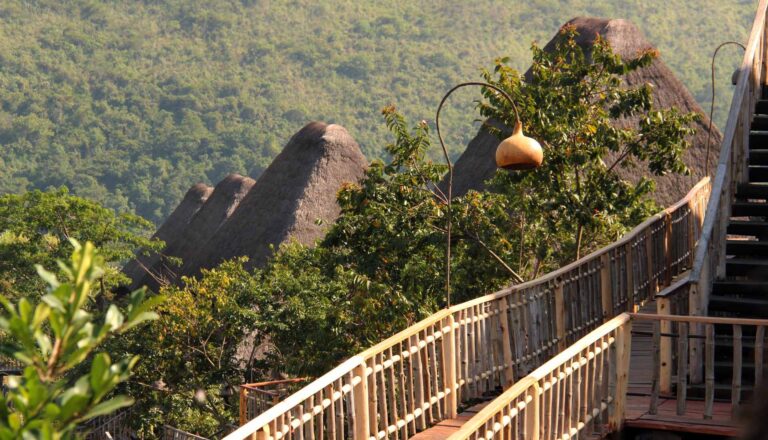
Located on the park's edge, this 4.5km walk takes about 3 hours. It is an essential wildlife corridor hosting 8 primate species and over 200 bird species, including the Great Blue Turaco. It offers a unique perspective from forest boardwalks and canopy tree houses.
Night Nature Walks
Equipped with spotlights and a ranger guide, visitors can search for nocturnal residents like bushbabies, potto, tree hyraxes, and civets.
Cultural and Community Encounters
Visitors can combine wildlife with local culture by visiting the Bigodi community, exploring tea and coffee plantations, or visiting the Amabere Ga Nyinamwiru caves. Tours often include visits to local schools, traditional healers, and the King's palace in the Toro Kingdom.
Traveler Logistics
Best Time to Visit
-
Dry Seasons (June–September & December–February): Best for trekking as trails are drier and visibility is higher.
-
Wet Seasons (March–May & November–early December): Preferred by birdwatchers to see migratory species escaping European winters.
Where to Stay
-
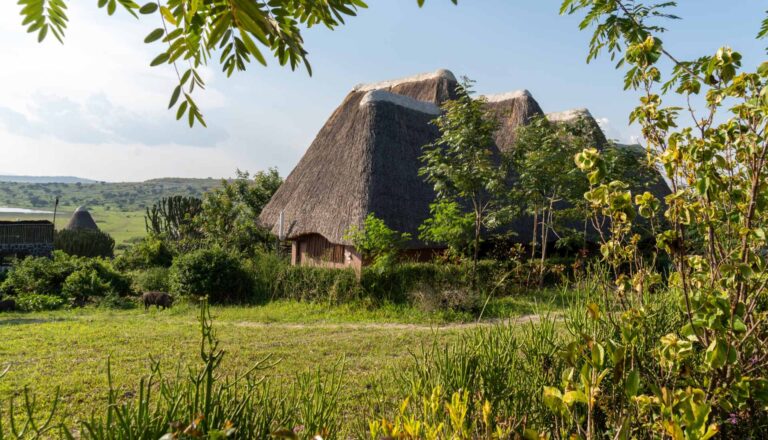
Luxury: Primate Lodge, Chimpundu Lodge, Kyaninga Lodge, Ndali Lodge.
-
Mid-range: Kibale Forest Camp, Isunga Lodge, Turaco Treetops.
-
Budget: Kibale River Camp, Lake Nyantonde Eco Campsite.
Accessing the Park
-
By Road: A 5–6 hour drive from Kampala via the Mubende or Mbarara routes. The northern route via Fort Portal is the shortest.
-
By Air: Flights are available from Entebbe to Kasese via Bar Aviation, followed by a short road transfer.
- Chimpanzee Tracking
- Rhino Tracking
- Batwa Cultural Interactions
- Game Drives
- Boat Cruises
- Bird Watching
- Zip Lining
- Hot Air Balloon Safari
- Maasai Cultural Interactions
- Safari Biking